
Oil Painting (Tranh Son Dau)
Since ancient times, when people began to draw, they have deliberately sought good materials to paint and hope to invent fresh beautiful and sustainable colors. During that time, people had known how to use colors mixed with oil to paint; but the material is still very primitive, still has many drawbacks and limitations. Over time, many generations of painters have worked hard to explore the materials, tinkering with their paints.
Oil painting came to Vietnam in 1925 when the French opened the Indochina Fine Arts School.
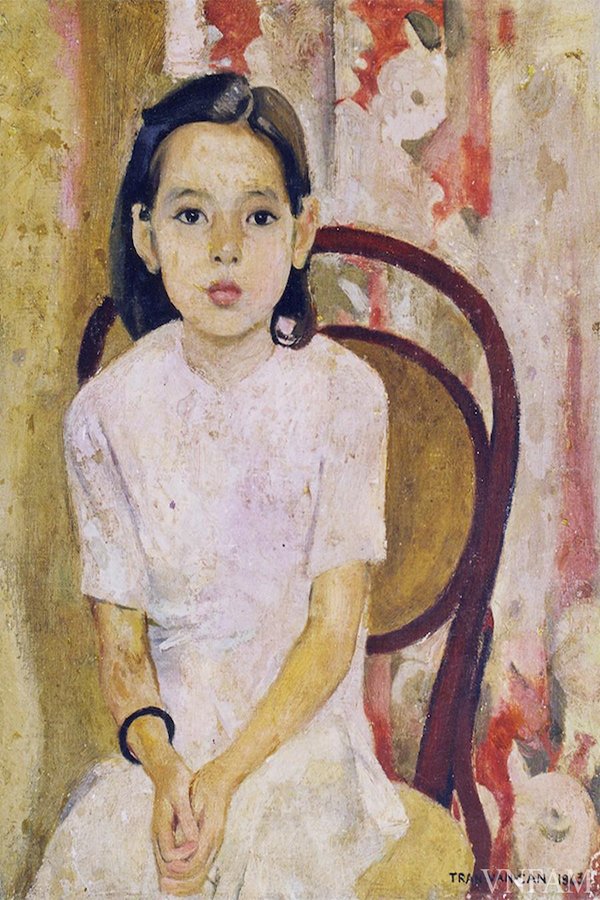
Oil painting came to Vietnam in 1925 when the French opened the Indochina Fine Arts School. So far, oil paint is still the dominant material of Vietnamese painting. You can easily find an oil painting at any gallery near you on your trip to Vietnam.
How to make oil painting?
1. Choosing paint: The most basic set of oil paints should include the following colors: cadmium yellow, ochre gold, cadmium red, alizarin crimson, ultramarine blue, titanium white, and mars black. You can combine these colors to create any color in the color circle (for example, yellow and red create orange).
2. Preparing other materials:
3. Arranging painting area: Use a wide and cool area, open the doors or windows. Place the easel or table away from the noise and direct sunlight if possible. Spread a cloth lining to prevent paint from flowing down and damaging the floor.
4. Some oil painting tips:
- Brush heads from synthetic fibers are usually soft and natural ones are harder.
- Apply the ‘Thick on thin’ rule (color layer on a liquid layer) so that the color layers do not crack or split.
- White color is used up very quickly, so you should buy a large white tube and small or medium tube for the remaining colors.
- Tint with a large amount and retain after each painting so you use the same paint color.